Thank you for writing to us. One of our executive will reach back to you through your submitted medium. In case there’s an urgency, feel free to connect over WhatsApp for faster response.
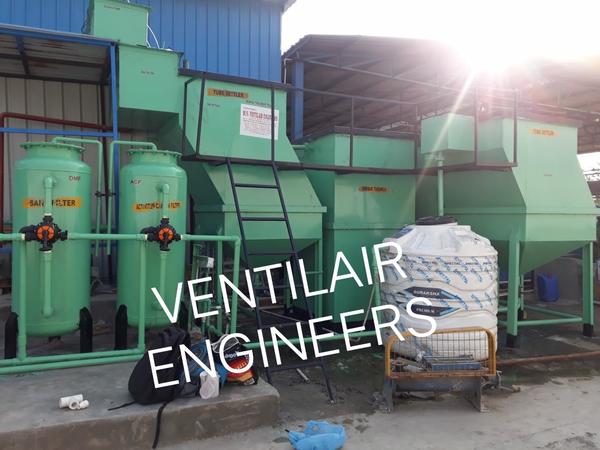
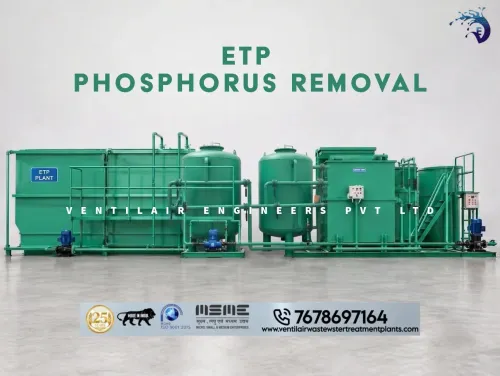
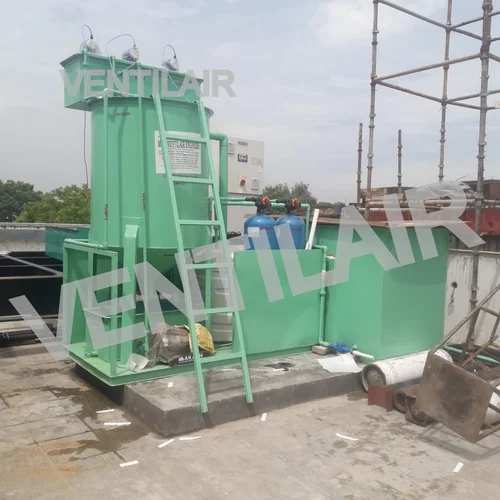
100 KLD ETP (Effluent Treatment Plant) is a system designed to treat wastewater or effluent generated by various industries or commercial establishments, processing it to meet environmental regulations before it is discharged back into the environment or reused. “100 KLD“ refers to the capacity of the plant, meaning it can treat 100 Kilo Liters per Day of effluent.
Basic Description of 100 KLD ETP:
An ETP of this capacity typically handles effluent from small to medium-sized industries such as food processing, textiles, pharmaceuticals, chemical industries, or even from large institutions like hospitals or universities. The treated water may either be reused or disposed of in a safe and environmentally friendly manner.
Steps Involved in the Treatment Process:
Here’s an overview of how a typical 100 KLD ETP would work:
Screening and Pre-Treatment:
Purpose: To remove large solids, debris, and unwanted particles.
Method: Using coarse or fine screens to filter out large materials like plastic, wood, and stones.
Equalization Tank:
Purpose: To collect all effluent and mix it evenly to balance variations in flow and pollution load.
Method: Helps in stabilizing the quality of wastewater before it's treated in further steps.
Primary Treatment:
Purpose: To remove suspended solids and oils.
Method: Typically involves sedimentation in a primary clarifier, where solids settle at the bottom and oils or grease float on the surface. These are then removed mechanically.
Secondary Treatment:
Purpose: To reduce biological oxygen demand (BOD), chemical oxygen demand (COD), and nutrients like nitrogen and phosphorus.
Method:
Aerobic Treatment: Involves the use of microorganisms that degrade organic matter in the effluent, usually in an Activated Sludge Process (ASP) or Sequencing Batch Reactor (SBR).
Filtration: To remove any remaining solids.
Tertiary Treatment:
Purpose: To further improve the water quality and make it suitable for reuse or discharge.
Method: Techniques include advanced filtration, carbon filtration, UV disinfection, or reverse osmosis (RO) depending on the level of purity required.
Sludge Treatment:
Purpose: To treat the solid waste (sludge) generated during the process.
Method: Can involve processes like dewatering using centrifuges or sludge digestion (aerobic or anaerobic) to reduce volume and remove harmful bacteria or pathogens.
Discharge or Reuse:
Purpose: To dispose of the treated water safely into the environment or reuse it within the industry.
Method: After meeting regulatory requirements, the treated effluent can either be released into rivers, lakes, or the sewer system or used for non-potable applications like landscaping, cooling towers, or process water.
Key Equipment in a 100 KLD ETP:
Screening Equipment (coarse and fine screens)
Pumps (for transferring wastewater)
Clarifiers (primary and secondary)
Aerators or Diffusers (for aeration tanks)
Sludge Dewatering Units (centrifuges or filters)
Chemical Dosing Systems (for coagulation and flocculation)
UV Sterilizers or Ozonation Systems (for disinfection)
Filtration Systems (sand filters, activated carbon filters, etc.)
Benefits of a 100 KLD ETP:
Compliance with Environmental Regulations: Helps industries comply with pollution control norms set by local or international authorities.
Wastewater Recycling: It allows industries to reuse treated water for non-potable purposes, reducing their reliance on fresh water.
Environmental Protection: Prevents contamination of water bodies by ensuring effluents are treated to acceptable levels before discharge.
Considerations:
Energy Consumption: Depending on the treatment processes involved, an ETP can require a significant amount of power, especially if advanced systems like reverse osmosis are used.
Maintenance: Regular maintenance of equipment is crucial for the efficient operation of the plant.
Sludge Disposal: The treated sludge needs to be safely disposed of or reused, which can add to the operational cost.
In summary, a 100 KLD ETP serves as a crucial infrastructure for industries generating wastewater, ensuring that effluent is properly treated to protect both the environment and human health. The plant involves a combination of physical, chemical, and biological processes to remove contaminants and produce water that meets regulatory standards for disposal or reuse.
 Chat with us
 Chat with us