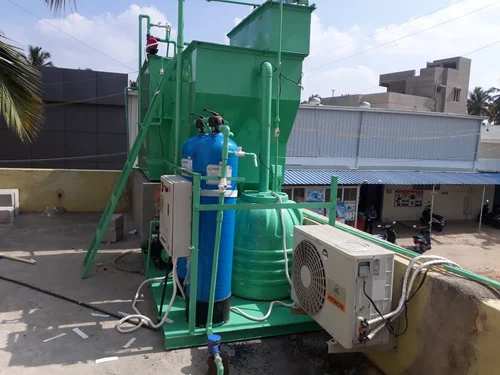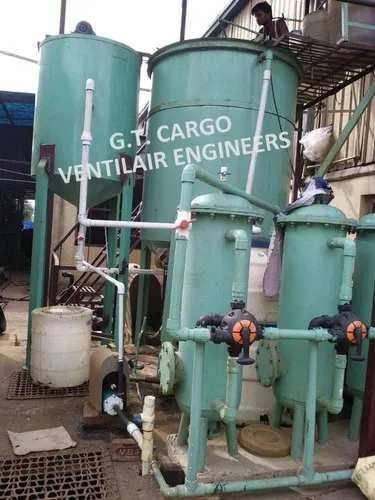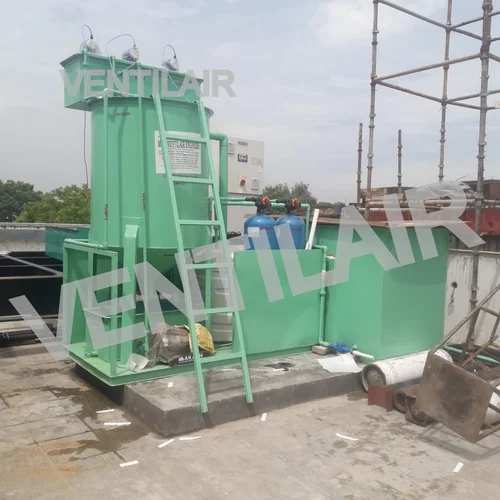
We are providing Pathological Lab ETP, these Pathological Lab Effluent Treatment Plant are very efficient and customized as per client requirement.

Vepl provided STP on capsule type or NBF series.Capsule Type STP is a compact, modular sewage treatment system, designed for small-scale applications such as residential complexes, hotels, small industries, or areas with limited space. It's a form of sewage treatment plant (STP) that offers high efficiency in wastewater treatment in a relatively small, encapsulated structure.Key Features of Capsule Type STP: Compact Design: As the name suggests, these systems are capsule-shaped or modular, meaning they are compact and easy to install in areas with limited space. Modular Construction: Often made up of several small, interconnected units that can be added or removed depending on the size of the installation. Efficient Sewage Treatment: Capsule STPs typically use advanced technologies like Membrane Bioreactors (MBR), Activated Sludge Processes (ASP), or Moving Bed Biofilm Reactors (MBBR) to efficiently treat wastewater. Low Power Consumption: Designed to consume less electricity while achieving efficient treatment, making them ideal for places with limited resources or where eco-friendly solutions are required. Easy to Maintain: The design often focuses on ease of maintenance and operation, with automated systems that reduce human intervention. Ideal for Small-Scale Use: Perfect for apartments, hotels, or offices where larger systems would be impractical. Treatment Process Pre-treatment: Screening and grit removal to remove large particles. Primary Treatment: Settling of suspended solids in primary tanks. Secondary Treatment: Biological treatment using bacteria to break down organic matter. Tertiary Treatment (optional): Filtration or membrane processes for further purification, such as in the case of an MBR system. Sludge Treatment: Sludge generated from the process is typically treated and removed periodically. Advantages: Space-Efficient: Capsule STPs can fit in small spaces, making them ideal for urban areas or places where space is limited. Environmentally Friendly: Many of these systems are designed to reduce environmental impact, including recycling treated water for non-potable uses (like irrigation). Cost-Effective: Though the initial investment might be higher than traditional methods, the operational and maintenance costs are often lower in the long term.